The first few months with a newborn can feel like an emotional roller coaster. One moment you are completely in love, and the next you are awake at 2am wondering what you are doing wrong, that’s why I decided to study Newborn Sleep Tips for Overtired Babies (0–3 Months)
I remember thinking newborn sleep tips would be simple that a tired baby would just fall asleep. But I quickly learned that overtired babies actually struggle more to settle, even when they are exhausted.
These newborn sleep tips are not about perfection. They are real-life lessons that helped me survive the newborn sleep stage and slowly understand my baby better.
Early Signs Your Baby Needs Sleep (Newborn Sleep Cues)
At first, I missed my baby’s sleepy signs completely.
I often waited too long before trying to settle her, which made things harder.
Common signs of an overtired newborn include:
- yawning
- eye rubbing
- fussiness
- zoning out or staring
- turning away from feeding
- short naps
- sudden crying bursts
👉 Acting early changed everything for me.

Why Newborn Sleep Tips Matter for Overtired Babies
Being tired does NOT always mean a baby will sleep easily.
When babies stay awake too long, their nervous system becomes overstimulated. This makes it harder for them to relax and fall asleep.
I used to think keeping my baby awake longer would help nighttime sleep, but it actually made things worse.

Understanding Newborn Wake Windows (0–3 Months Guide)
Newborns have very short awake windows.
In my experience, my baby needed sleep again shortly after:
- feeding
- diaper changes
- short interaction or cuddles
👉 Most newborns can only stay awake about 45–60 minutes in the early weeks.
Once I respected this, sleep became smoother.
Newborn Sleep Tips That Helped Me Most
1. Put Baby to Sleep Early (Before Full Crying Starts)
One of the most important newborn sleep tips is acting early.
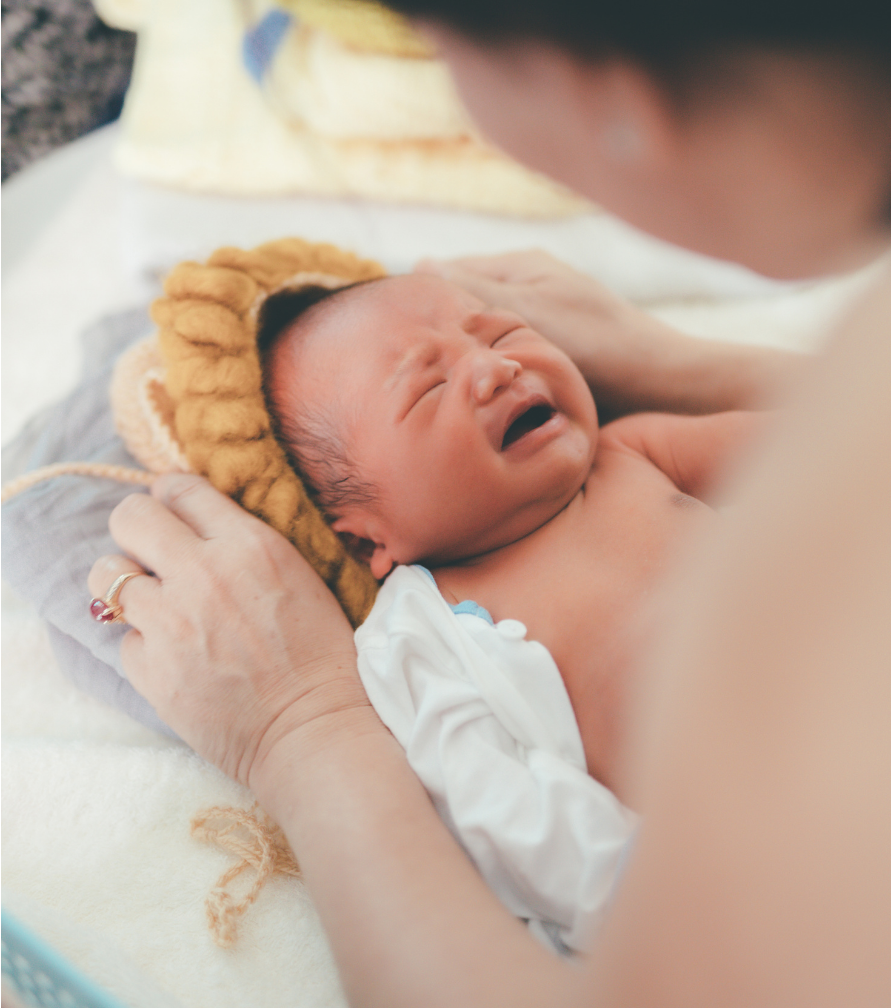
Once crying becomes intense, it is harder to settle a baby.
2. Create a Calm Sleep Environment
What helped me:
- dim lights
- quiet room
- white noise
- swaddling
- gentle rocking

3. Swaddling for Comfort and Security
Swaddling worked best when done early, not after crying started.
It helped reduce startle reflex and gave my baby comfort. Check: https://omahsdiscovery.com/newborn-baby-routine-0-3-months/

4. Flexible Routine (Not Strict Schedule)
Newborn sleep is unpredictable.
Instead of forcing a schedule, I focused on repeating gentle daily patterns.
5. Learn Your Baby’s Different Cries
Not every cry means hunger.
Sometimes it meant:
- tiredness
- gas
- discomfort
- needing comfort

6. The Pause Method
Instead of rushing in immediately every time my baby made a sound, I paused for a few seconds.
Sometimes she resettled on her own.
7. Day vs Night Difference
I started:
- opening curtains in the morning
- dimming lights at night
- using simple bedtime cues
This helped build early sleep awareness.

Step-by-Step Newborn Night Soothing Method for Overtired Babies
This became my simple “night survival routine” during the newborn stage. It didn’t always work perfectly, but it helped me stay calm and understand what my baby needed step by step.
Step 1: Check Basic Needs First
Before anything else, I always made sure my baby’s basic needs were met.
- Is she hungry?
- Does she need a diaper change?
- Is there gas or discomfort?
This step helped me rule out the most common reasons for crying.

Step 2: Reduce Stimulation
If she was still unsettled, I focused on calming the environment.
- Turn off bright lights
- Avoid talking too much
- Keep the room quiet and calm
- Slow down my movements
This helped signal that it was time for sleep, not play.
Step 3: Gentle Soothing
Next, I focused on comforting her gently and consistently.
- Slow rocking
- Soft singing or shushing
- Skin-to-skin contact
This step was about helping her feel safe and secure.

Step 4: Swaddle and Hold Close
If she was still crying, I used swaddling to help calm her body.
- Swaddle securely (not too tight)
- Hold her close to my chest
- Maintain warmth and comfort
This helped reduce the startle reflex and gave her a sense of safety.

Step 5: Stay Calm and Repeat if Needed
If she was still unsettled, I didn’t panic.
I simply repeated the process calmly from the beginning if needed.
Some nights I had to go through this cycle more than once and that is completely normal during the newborn stage.
Over time, I learned that consistency matters more than perfection.
Real Mom Experience With Overtired Newborn Sleep
Some nights felt so intense, especially during the period my baby was battling colic. I could literally do everything, feeding, diaper changes, soothing — but she still would not stop crying. Those moments were emotionally exhausting because all I wanted was to comfort her.
One little thing that helped us was cuddling. I would carry her, walk slowly around the room, sing softly to her, and reassure her that she was safe in my hands.
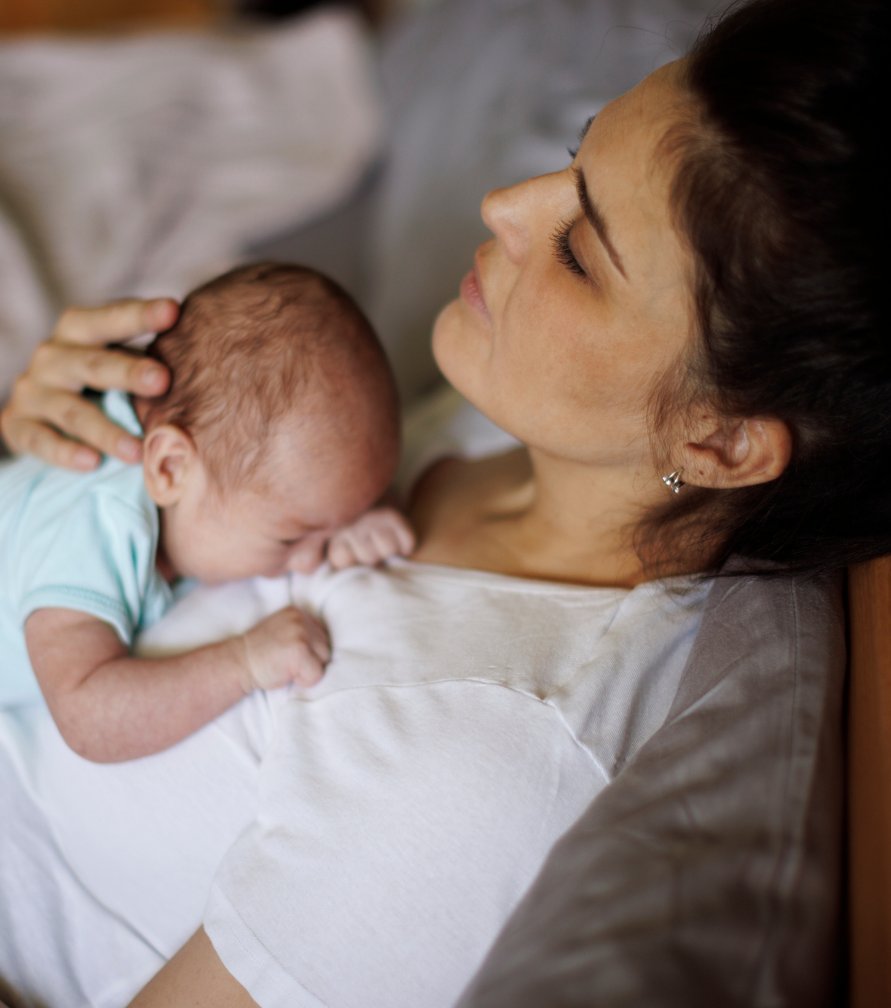
One night, my baby cried so hard that nothing seemed to work. I fed her, changed her diaper, and checked everything I could think of, but she still kept crying. Then I gently cuddled her and we lay down together on my bed, and she slowly fell asleep on my chest.
That moment stayed with me.
It reminded me that sometimes my baby did not only need feeding or solutions, sometimes she just needed me. My presence, my warmth, my heartbeat.
Newborn life is beautiful in a strange emotional way because you slowly realize you are now living in the world of this tiny human who cannot speak yet but communicates everything through cries, comfort, and closeness.
The more I studied my baby, the more I started understanding her little world, and that slowly made me feel more confident as a mom.
Simple Newborn Bedtime Routine That Helped
- feeding
- diaper change
- dim lighting
- cuddles
- rocking
- quiet environment

Common Newborn Sleep Mistakes (What I Learned)
- waiting too long before sleep
- overstimulating before bedtime
- rushing in too quickly
- comparing babies
- expecting strict routines too early

What I Wish I Knew About Newborn Sleep Tips
This is something I think every new mom deserves to hear.
I wish I knew earlier that newborn sleep is not something you “fix” immediately. It is something you slowly understand.
There were nights I thought I was doing everything wrong just because my baby wouldn’t sleep easily. But the truth is, newborn sleep is naturally irregular in the first 0–3 months.
I also wish I knew that:
- some babies take longer to settle
- crying does not always mean something is wrong
- sleep patterns change weekly
- overtired babies need more help, not less
Most importantly, I wish I knew that I was not failing.
Slowly, I realized I was not just learning newborn sleep tips, I was learning my baby’s language.
And that changed everything.

When Newborn Sleep Starts to Improve
Slowly, things changed:
- longer sleep stretches
- easier settling
- less crying
- more confidence
It does not happen overnight, but it does happen.
❓ FAQ: Newborn Sleep Tips for Overtired Babies
Why is my newborn overtired but won’t sleep?
Because overtired babies become overstimulated and struggle to relax.
How long should a newborn stay awake?
Around 45–60 minutes in early weeks.
What helps an overtired baby sleep?
Calm environment, early sleep cues, swaddling, and gentle soothing.
Is newborn sleep always chaotic?
Yes, especially in the first 0–3 months.
These newborn sleep tips are not about perfection. They are about understanding, patience, and learning your baby step by step.
Some nights will still feel hard, but this stage does not last forever. Read:https://omahsdiscovery.com/easy-sensory-activities-babies-toddlers/